The renovation of the “Young Metro Builder” children's camp is almost complete. Next summer, schoolchildren will come to Balabanovo for a shift.
The cult camp was no worse than the Soviet “Artek”. Every shift since 1945, half a thousand children have rested here. Camp students still meet to remember the old days. But in the 2000s it had to be closed: the roofs in the buildings were leaky, the walls were peeling, and the engineering systems were quite worn out. In order not to leave the children without a summer holiday, Mosmetrostroy began reconstructing the camp. Several subsidiaries operate there: MMC International, USR, SMU-4, UMM, SMU-9, Tunnel-2001, TO-6 and SMU-25. And we went to Balabanovo to see how the place that raised several generations has changed.
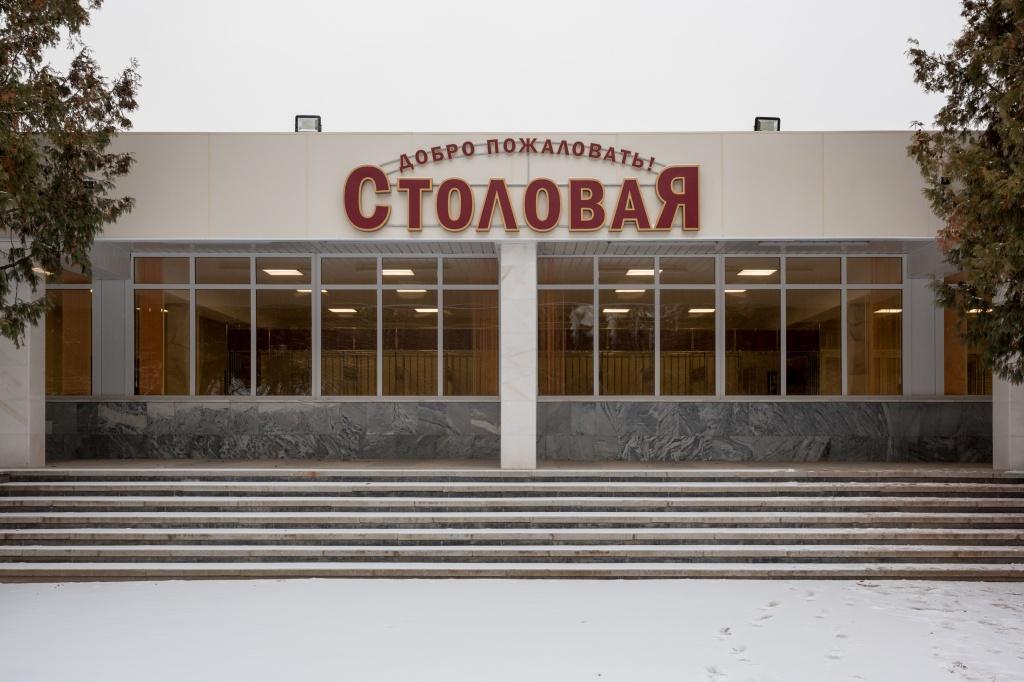
Where to eat deliciously
In Soviet times, the canteen of the “Young Metro Builder” fed children for slaughter: they did not return home if they lost weight. The same traditions will be honored by the staff in the new building.
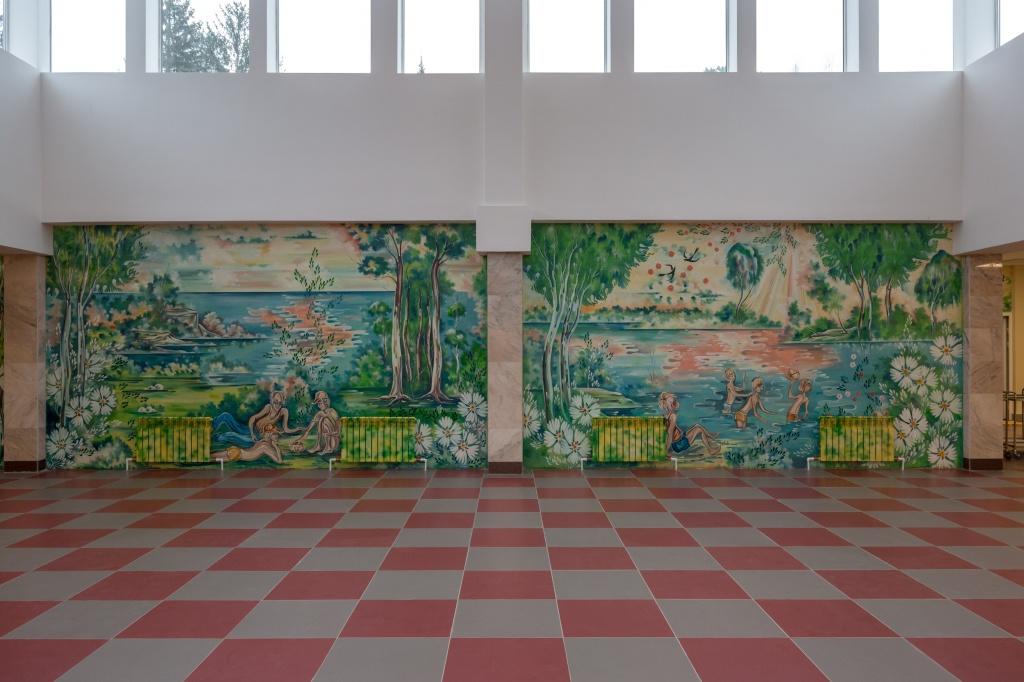
At the entrance to the dining room, the dressing room and washrooms were renovated. And the floor was paved with red-beige tiles. The tables are already set up in the hall and tablecloths are laid. The only old thing left here is a gift from a Mosmetrostroy employee - an artistic painting covering the entire wall.
The culinary shop now resembles a museum: the stoves, ovens and boilers shine as if they were at an exhibition.
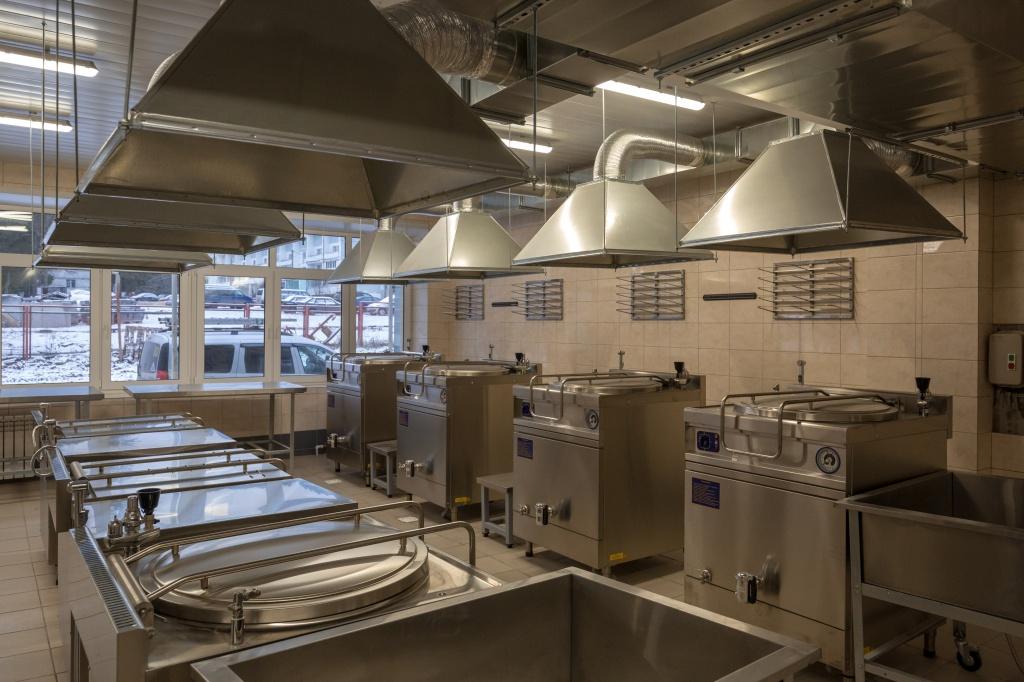
“We changed literally everything: from tiles to hoods,” says the director of “Young Metro Builder” Leonid Podvoisky. “It will be a real pleasure to cook porridge.” The second part of the building is a cafe for parents.
The director assures that children will not be able to get in here, the room is locked from the inside.
Where to sleep
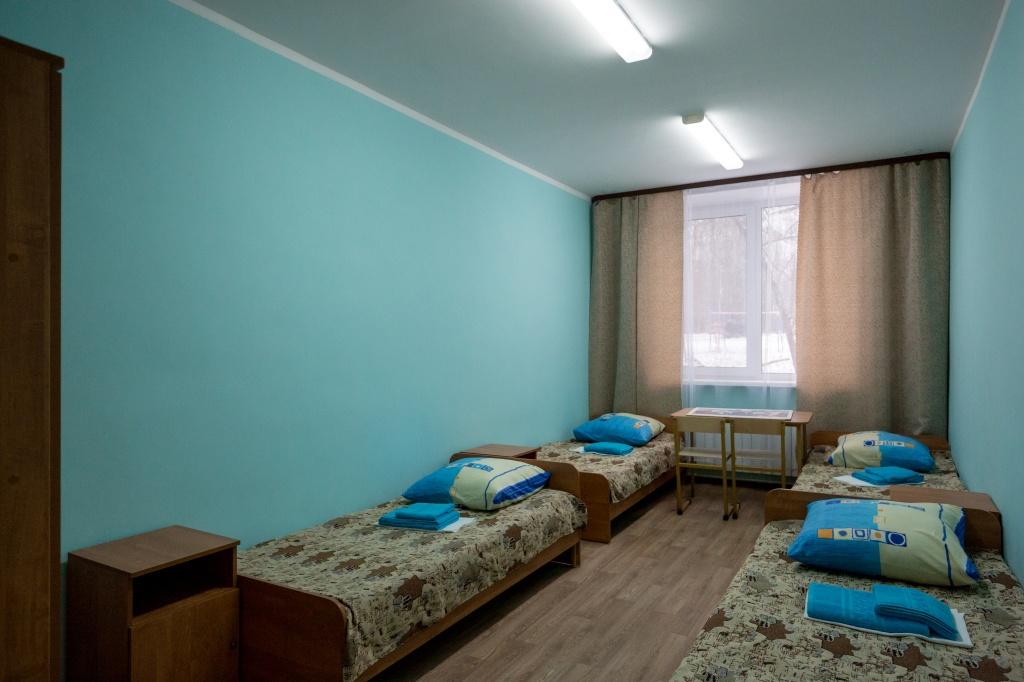
Of the nine residential buildings, eight are already ready. It is very warm inside - new plastic windows protect from the wind. The rooms are quite ascetic: beds, chairs and desks. But there are already towels on the soft pillows - in short, you can move in right now. Separate rooms are allocated for drying and luggage.
One of the buildings has its own gym with treadmills. Apparently for those who were too lazy to run to the sports complex.
“Look, all the buildings are painted in Mosmetrostroy’s signature colors,” adds Podvoisky. — The roofs are burgundy and the walls are beige.
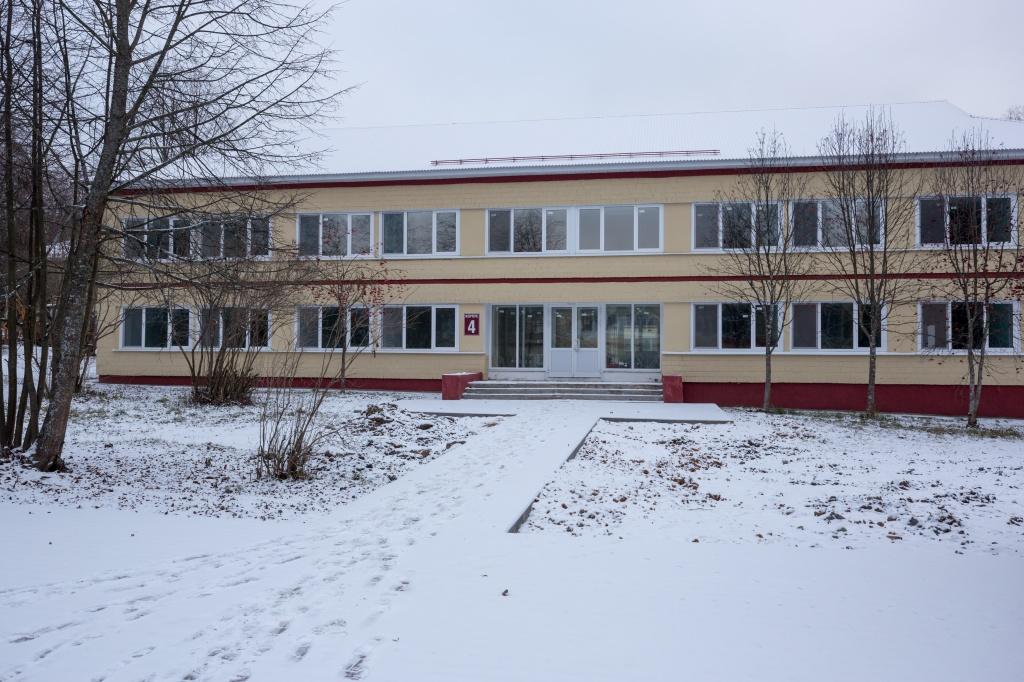
There is also housing for parents on the territory - this is rare in the camps. If the child is completely bored, mom and dad can check into a hotel and support the child.
— Service at the level of three stars, no less! - says the chairman of the Terkom of the trade union of Mosmetrostroy workers, Sergei Steshenko, looking around the hotel. — There are standard rooms and two luxury ones. But a fence has been built between the hotel and the camp - parents are not allowed to enter the territory of the “Young Metro Builder”. For this they need a medical book.
The rooms are modest, but have their own bathroom: shower and toilet inside. The luxury apartment is similar to an apartment; guests have three rooms and a kitchen at their disposal. You can bring your whole family.
Things to do
All roads from residential buildings lead to Pushkinskaya Alley. The first camp students planted linden trees along it. It's hard to believe that the trees were once no taller than the pioneer.
“The alley stretches from the Pushkin monument to the memorial to the metro builders - heroes of the Soviet Union,” continues Sergei Steshenko. — We have several ideas: for example, to create an open-air museum of special equipment and announce a competition for landscaping.
There is an old flagpole next to the alley; it will soon be replaced with a new one, nickel-plated. Three flags will hang on it: Russia, the Kaluga Region and the Moscow Metrostroy. A little further you can see a sports ground with horizontal bars, nets and two fields where you can kick the ball. “My son has been playing basketball all his life, he started right in the camp,” Steshenko smiles, looking around the field. — When he was a child, I suggested that he relax in the summer in another place. But every time my son refused a long trip and wanted to spend his holidays here.
The “Young Metro Builder” has preserved wooden openwork gazebos. Many years ago, young scientists studied biology there and aircraft modeling enthusiasts glued airplanes. The art of dance was also taught to the children at a high level.
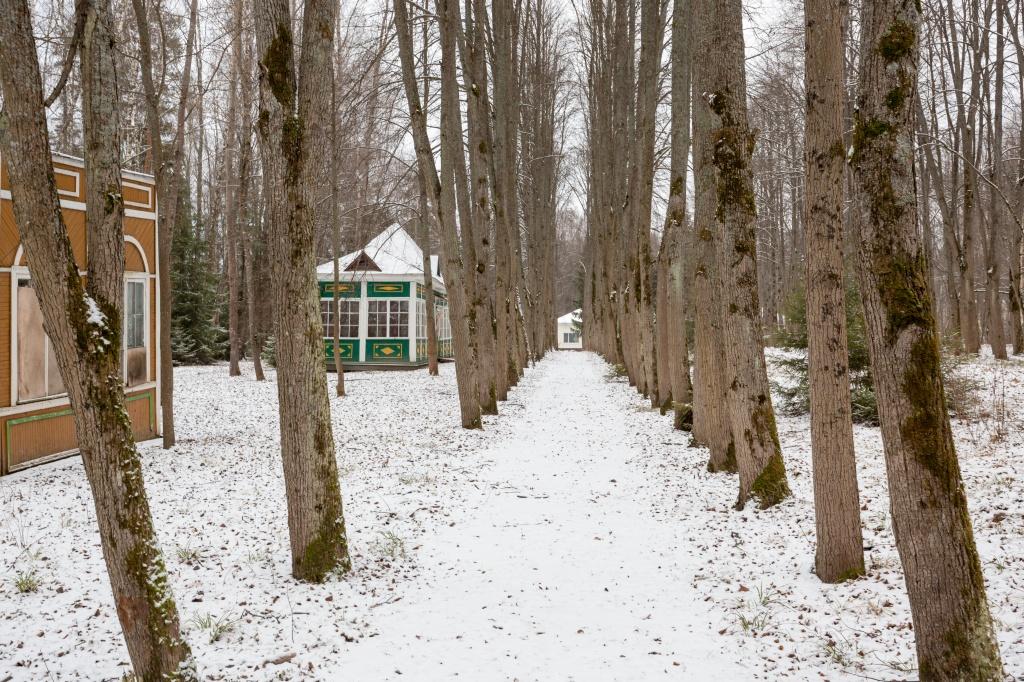
“Soon we will restore them according to the old drawings,” Podvoisky promised. — The camp has its own pond, you can even take fishing rods and go fishing.
“And this is a very mushroom place, literally in September we collected a basket of morels,” recalls Ivan Yezhov, a mechanic at the MMC International site.
Where to get medical treatment
Doctors send sick children to a medical isolation ward. A place like a children's clinic, but without the queues. There are spacious common rooms, boxes and even a small dining room. The artists carefully painted the entire hall based on Russian folk tales. To entertain the children, they even applied a special coating to one of the inner walls of the isolation ward for drawing with multi-colored crayons.
— We have a very good, comfortable insulator. But I still hope that our students will stay in these rooms as little as possible,” says Leonid Podvoisky.
How to get there
The journey by car along the Kievskoe highway to the Zhukovsky district of the Kaluga region, where the camp is located, will take about two hours without traffic jams if you start from the Yugo-Zapadnaya metro station. A chartered bus also departs from here, taking the children to their shifts at the “Young Metro Builder” camp. For those who like to travel by rail, there is an electric train that runs daily from the capital's Kievsky Station to Balabanovo approximately every hour. A one-way ticket will cost 250 rubles. The journey to the camp by train will take about an hour and a half.
BYWAY
In the summer of 1944, Mosmetrostroy began construction of a pioneer camp in one of the most picturesque places in the Kaluga region - on the banks of the Istya River. Already on June 6, 1945, its grand opening took place. The camp then received the name “Beryozka”. It was renamed “Young Metro Builder” in 1970, celebrating its 25th anniversary. At the same time, a plan for general reconstruction was approved. Six years ago the camp closed: the buildings were dilapidated, worn out, and in disrepair. In 2015, it was decided to revive the place of rest for the children of modern metro workers. “Young Metro Builder” is located on 34 hectares and includes nine residential buildings, a medical unit, a canteen and a modern gym. On May 26, 2017, a restored monument to metro builders — Heroes of the Soviet Union and Russia — was opened here. There are 53 names engraved on the memorial.