Lefortovo Rings
The Lefortovo History Museum, a branch of the Museum of Moscow, with the support of Mosmetrostroy, opened the exhibition “Lefortovo Rings”. It will continue to operate until November 26.
The exhibition is dedicated to the 20th anniversary of the completion of the Third Transport Ring and the opening of traffic through the Lefortovo Tunnel. The curator of the exhibition, historian of architecture and urban planning of Moscow Alexander Zmeul noted that the exhibition presents the historical, urban planning, architectural, social and technological features of the ring structure of the city on two levels - the global Moscow-wide and local Lefortovo. archaeological finds, as well as authentic costumes of the first metro builders, dating back to the 1930s. Some of them are original, while others are artificially aged.
В двух залах – малом и большом – посетители могут ознакомиться с историей колец от Камер-Коллежского вала до Большой кольцевой линии, увидеть карты, фотографии, проектные материалы, археологические находки, а также аутентичные костюмы первостроителей метро, начиная с 1930-х годов. Из них часть оригинальные, а другие искусственно состарены.
At the exhibition you can learn about how the Lefortovo automobile tunnel was built, in the construction of which Moscow Metrostroy took an active part.
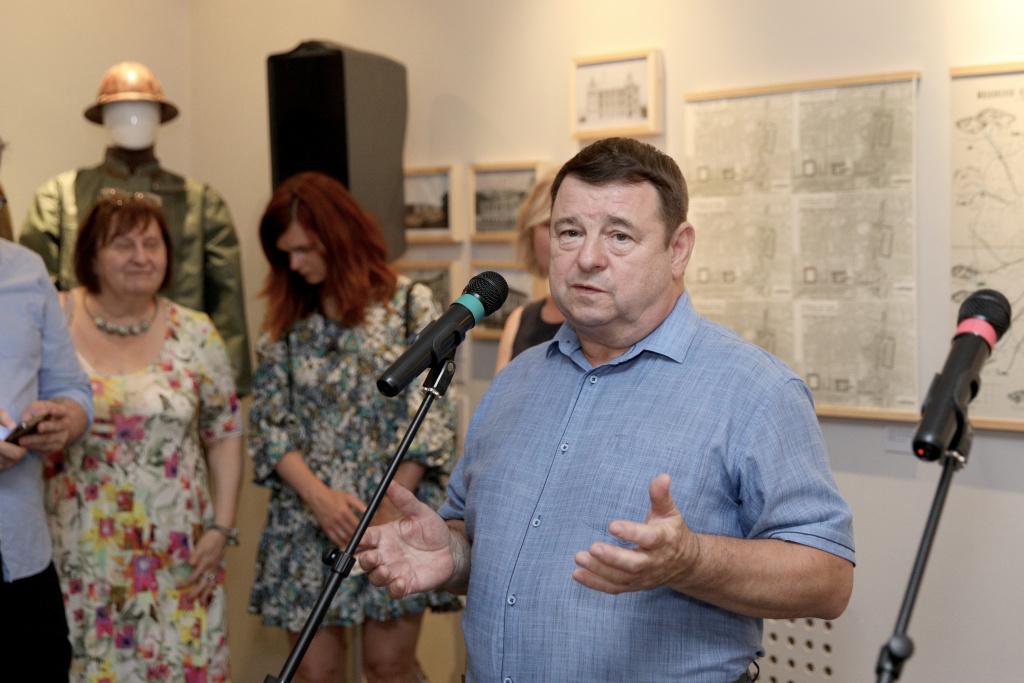
– This tunnel was the last, closing section of the Third Transport Ring and one of the most complex construction projects of its time. Highly trained specialists and modern technologies made it possible to complete the work in a timely manner and with high quality,” noted Pavel Kalinin, Deputy Chairman of the Council of War and Labor Veterans of Mosmetrostroy, at the opening ceremony.
When laying a tunnel under the Yauza River and Lefortovo Park at a depth of 30 meters, for the first time in Russia they used a tunneling shield with a diameter of 14.2 meters, and also used the method of fencing the pit with a 30-meter sheet pile.
Mosmetrostroy also built the Lefortovo station of the Big Circle Line of the metro - initially it opened as part of the Nekrasovskaya Line, and then it was integrated into the BKL. Interesting facts: the station is located on the site of a former pond. This created certain difficulties for builders. When they were constructing the flume slab, which is essentially the base of the station, it turned out that an underground stream passes in its place.
The second feature is a two-flight ascent to exit into the city - now it is used quite rarely.
The third feature is one vestibule instead of two. At the insistence of residents, the project was changed. The station now has only one exit - between Nalichnaya Street and the Sputnik cinema. The second vestibule serves as an emergency exit.
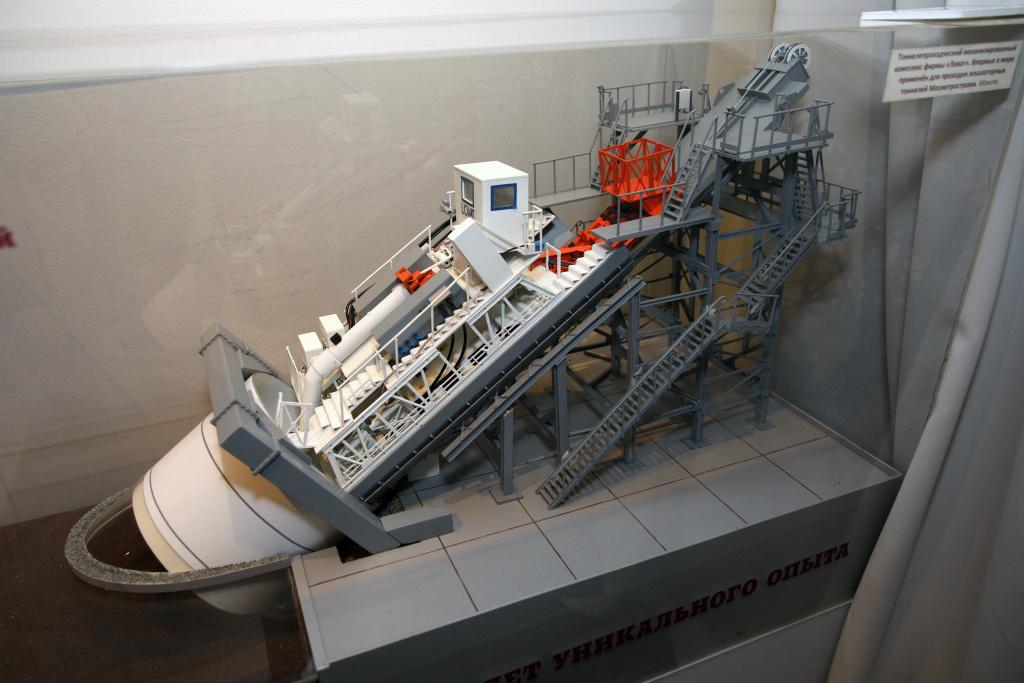
The museum presents a model of the Herrenknecht tunnel boring complex, which laid tunnels on the Lefortovo – Aviamotornaya section of the BKL, etc. As well as a model of the Lovat TBM for inclined travel, first used by Mosmetrostroy in the construction of escalator tunnels at the Maryina Roshcha station. Lyublinsko-Dmitrovskaya line.
Exhibition address: Kryukovskaya street, 23.
Opening hours: Tue-Sun 11:00 – 19:00. Closed on Monday.