Opened on holiday
Builder's Day in 1969 coincided with the early launch of a new section of the Zamoskvoretskaya line. Four new stations were built in record time. Three of them subsequently became an independent metro line.
The test train ran on the new 9.6 km section on August 9. The route connected the Avtozavodskaya station with the Volkhonka-ZIL automobile manufacturing village. She walked across the specially built Nagatinsky metro bridge over the Moscow River. For this purpose, the bed of the water artery was straightened with a canal 3500 m long.
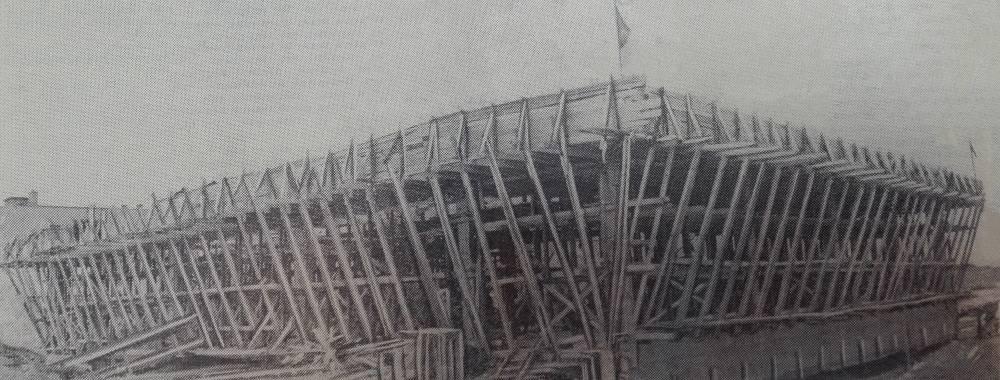
1968. Construction of the Varshavskaya station pavilion
The first station of the section is located on Proletarsky Prospekt. She was named in honor of the Kolomenskoye Museum-Reserve. The project name is “Nagatino”. The track walls here are decorated with white Metlakh tiles with copper inserts on the theme “Where the Motherland Begins” by sculptor Eduard Ladygin. The hexagonal columns are covered with gray marble, the floors are covered with red and gray granite.
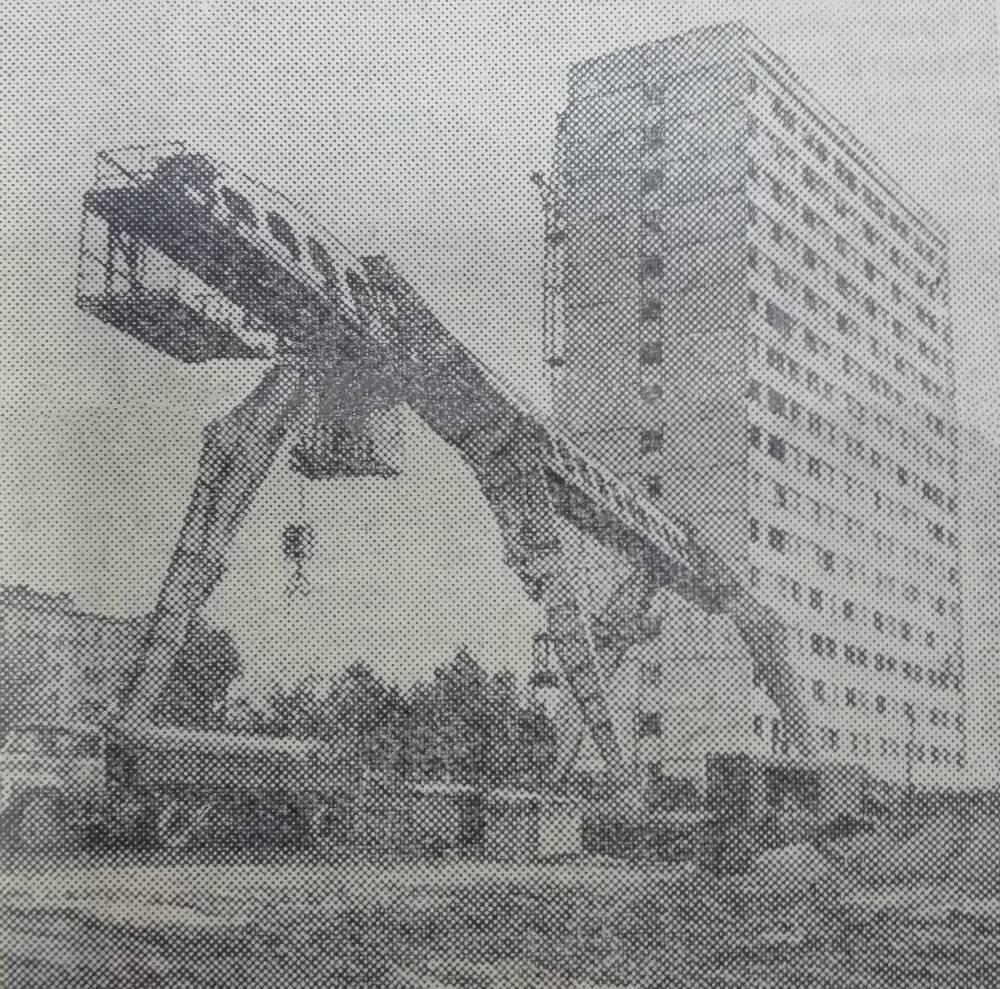
Unique gantry crane KKTS-20 at the construction of Kakhovskaya
The next stop of the Zamoskvoretskaya line is “Kashirskaya”. This is the first cross-platform station in Moscow. The designers already planned that it would connect the green line with the future Greater Metro Ring. The two halls of the station, connected by a staircase, differ in the color of the columns. In the western one they are faced with red granite, in the eastern one - gray. Blue ceramic tiles on the track walls are decorated with artistic inserts by sculptor Zoya Vetrova on the theme “Life of the Country.”
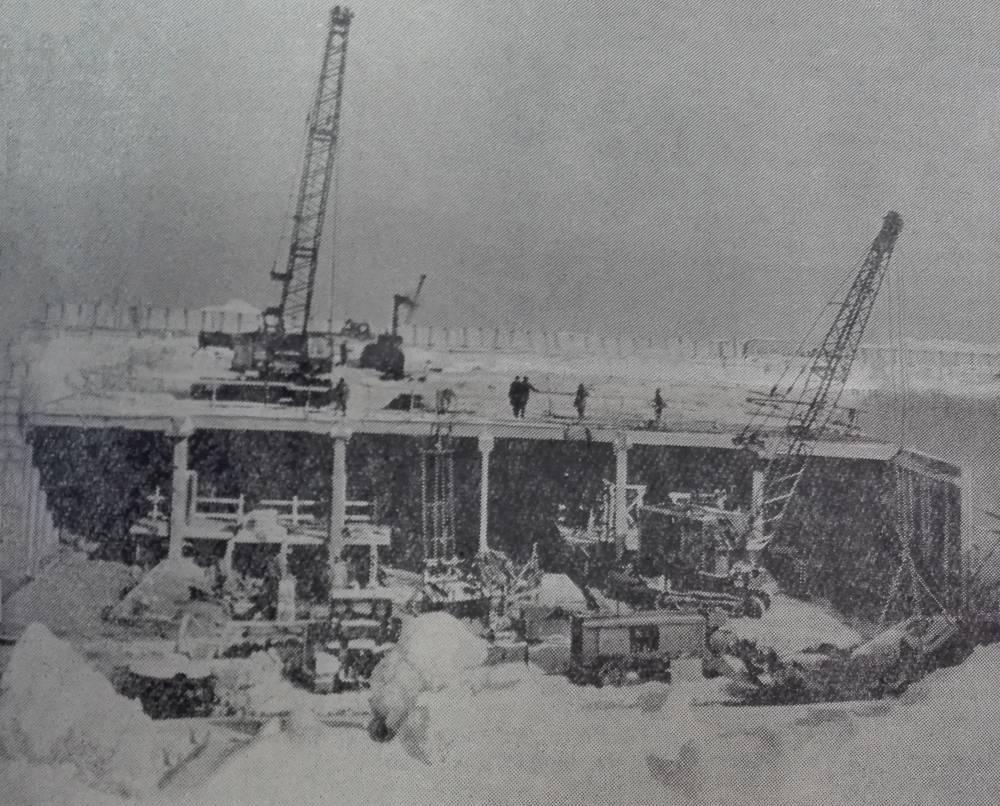
Construction of the Kashirskaya station
Named in honor of the capital of Poland, “Warshavskaya” bore the project name “Kolomenskaya”. Initially, a grandiose interchange hub was conceived that would connect the western vestibule of the station with the railway platform and a tunnel for country buses. The ceiling would be very low.
Tunnelers from TO-6 did not agree to distort “Varshavskaya”. But a pedestrian crossing to the Kolomenskoye platform of the Paveletsk direction of the Moscow Railway was still built. The theme of the forged decorations on the track walls of the station was images of Warsaw against the background of white and blue ceramic tiles.
The last one on the new section was “Kakhovskaya”. It was named after the city of Kakhovka in Ukraine. For the future, a transition was provided in the center of the hall. It began operating in 1983 with the opening of the Sevastopolskaya station located below the ground on the Serpukhovsko-Timiryazevskaya line. During construction, a specially created unique gantry crane KKTS-20 with a span of 40 m was used.
All stations of the new section are column-mounted, with a laying depth of 7 to 9 meters. Construction took place under busy highways, railroad tracks, and industrial areas. Difficult geological conditions forced the use of various methods of excavation, including chemical consolidation of soils.
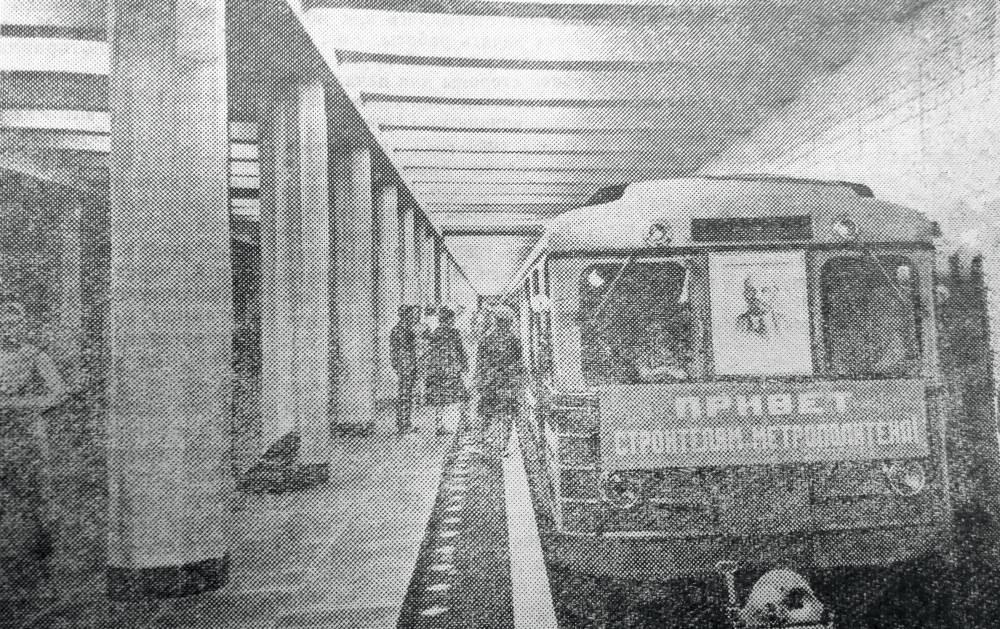
August 9, 1969. Metro builders and city residents greet the first train on the new section of the Zamoskvoretskaya line
The tunnels with a diameter of 5.5 meters were constructed in a closed way using a Shch-19 shield. The Metro builders set a good pace, setting several records. Evgeniy Chernenko’s section from SMU-8 distinguished itself on the Kolomenskaya – Kashirskaya section. In sandy conditions with the inclusion of loams, the mining teams reached a speed of 430.62 linear meters. finished tunnel per month and 19.23 l.m. per day.
In 1995, the Kashirskaya – Kakhovskaya section became independent and at the same time the shortest line of the Moscow metro. She was given the number 11 and painted turquoise on the map.