Outstanding engineer Semyon Rozanov
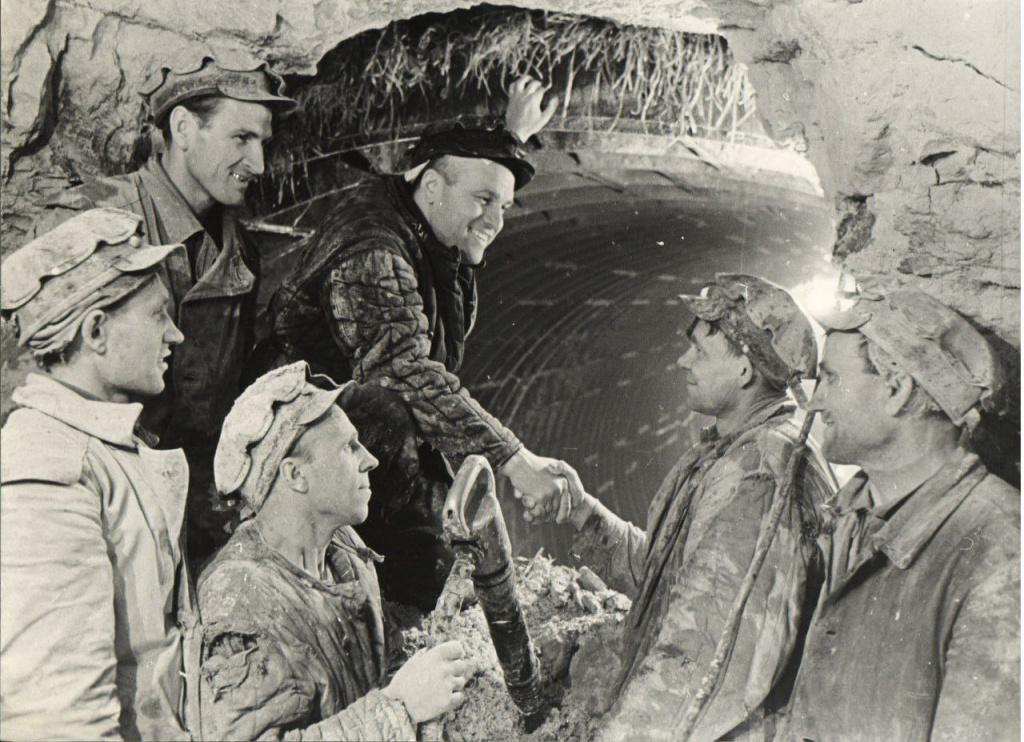
Anyone interested in the history of the metro has probably come across the name of Semyon Rozanov, one of the first engineers of Metrostroy. However, there is very little information about this wonderful person.
Almost everything little we know about him comes from several sources: the fundamental work of Dietmar Neutatz, an article in the Metrostroy magazine by engineer Vadim Pikul, who knew Rozanov closely, and the books “Stories of the Metro Builders” and “How We Built the Metro” from 1935. Unfortunately, this is not enough to get an idea of the man who made such a significant contribution to the design and construction of the first line of the Moscow Metro.
Semyon Nikolaevich Rozanov was born in Arkhangelsk on August 22, 1875 into a noble family. After the death of his father, Nikolai Semenovich Rozanov, he was brought up at the Imperial Gatchina Orphan Institute. He studied at the 1st gymnasium in St. Petersburg, after which he entered the Institute of Railway Engineers named after Emperor Alexander I. At the institute he studied together with Victor Nikolai (many years later, fate would bring them together again, and together they would design the Moscow metro).
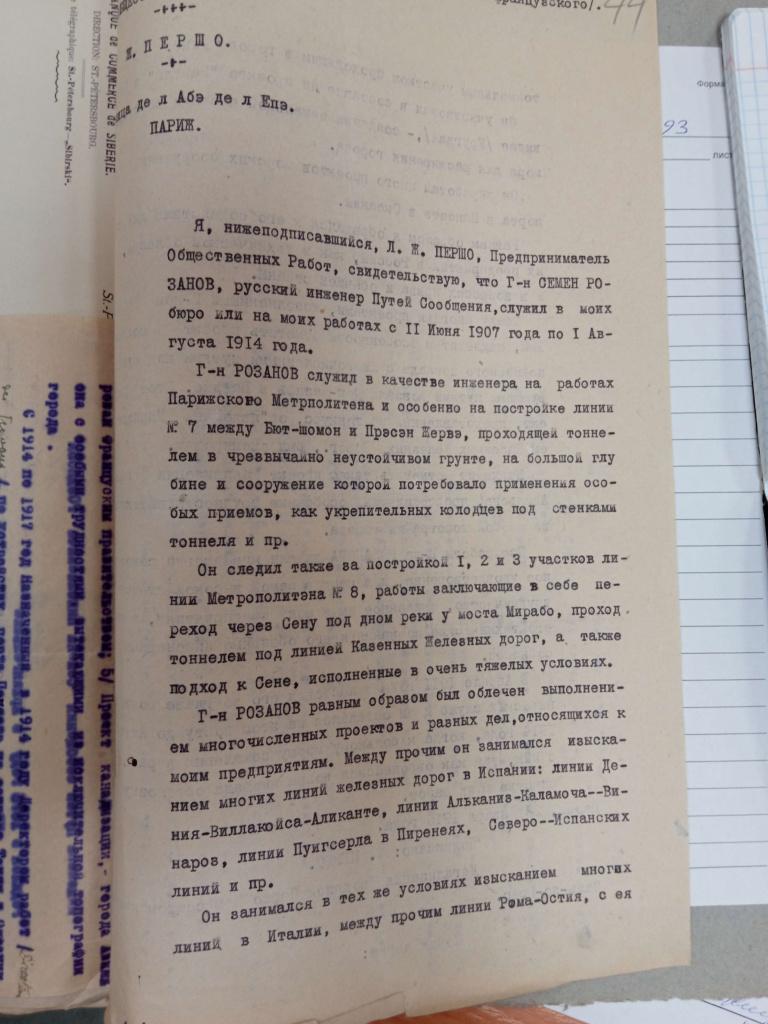
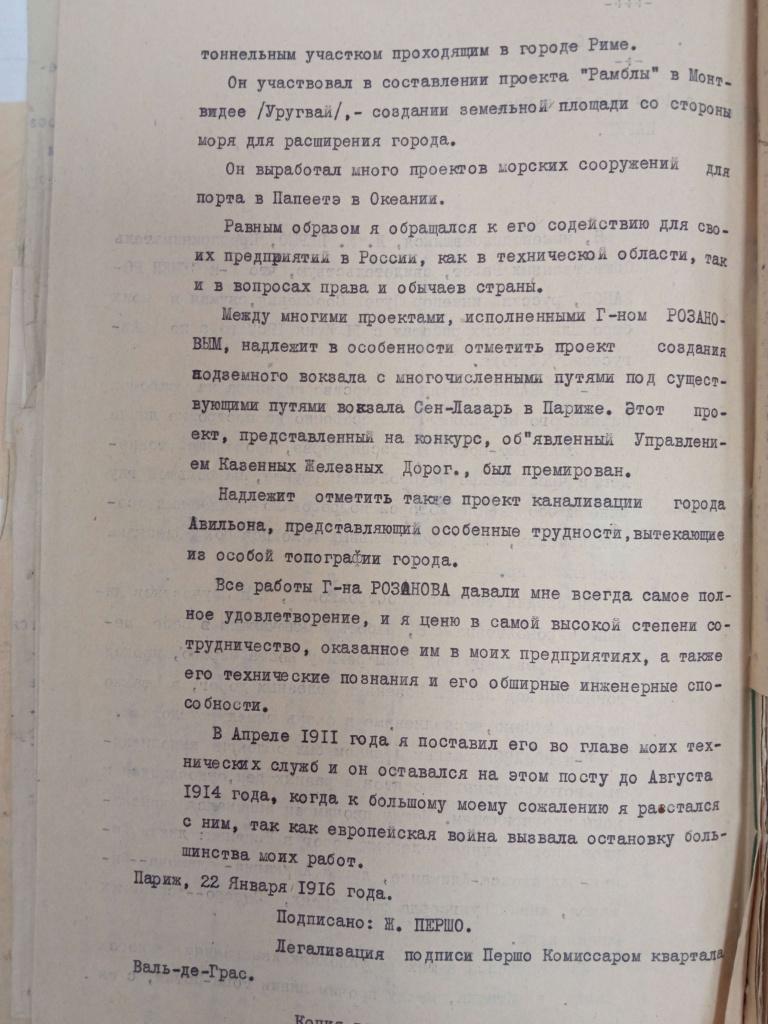
After graduation, he worked at the South-Eastern Railway. During the first Russian revolution, he took part in the strike movement, headed the revolutionary committee, and was under arrest and imprisonment. After his release in 1906, he emigrated to France. There Rozanov participated in the design of the port of Papeete on the island of Tahiti, but his most important work was the design and construction of the Paris metro. Semyon Nikolaevich proved himself to be an outstanding engineer and rose to the position of head of technical services. This invaluable experience will be in demand in Moscow in twenty years (Elena Smirnova, who lives in St. Petersburg, the great-granddaughter of Rozanov’s sister, found in the archives documents about the work of her famous ancestor in the French company Perchot - information was published on the Mosmetrostroy website in the Press Center / Metrostroevets newspaper / Time Machine section).
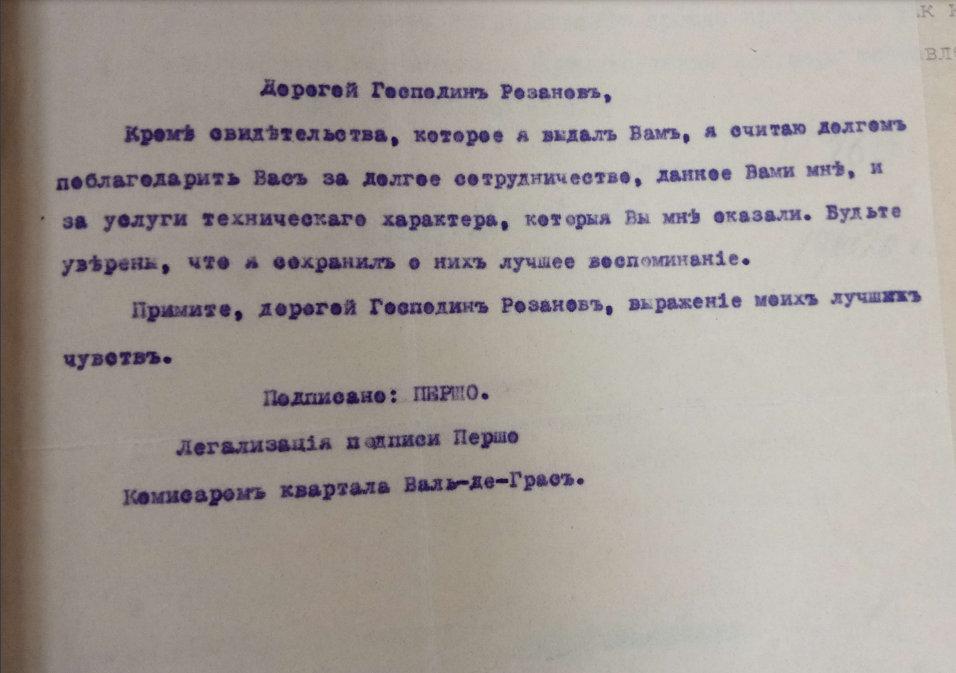
After the February revolution, Semyon Rozanov returned to Russia and continued working on various railways. He taught and studied science at the Petrograd Polytechnic Institute. Since 1924, he headed the department of underground and underwater structures at the Moscow Higher Technical University. In 1924, the Department of Moscow Public Utilities under the Executive Committee of the Moscow City Council formed a small subdepartment for metro design. Structurally, it was part of the Moscow City Railways (MGZD), which is actually the city's tram network. The subdepartment was headed by the chief engineer of the Moscow State Railway, Alexander Gerbko, and he invited Semyon Rozanov and Victor Nikolai to work, who, like Rozanov, was thoroughly familiar with the Paris metro. As the best graduate of the Institute of Railway Engineers named after Emperor Alexander I, in 1900 he was awarded a trip to France to build a metro.
In the conditions of extremely limited funds and capabilities of the post-revolutionary devastation of the 1920s, a small team of the Metropolitan subdepartment studied passenger flows, outlined the metro network, chose a priority direction, carried out geological exploration along the route of the first line and by 1930 developed its technical design. At that time, the need for the metro was not yet recognized by the party leaders of the city and the country, and employees of the subdepartment were accused of sabotage, and many of them were repressed. In particular, Gerbko and Rozanov were imprisoned.
To be continued...